Book of Tut Megaways
Slot Review
Book of Tut Megaways is an Egyptian-themed slot featuring the Megaways mechanic, where the number of winning combinations can reach up to 117,649, and expanding symbols help create payouts. Book of Tut Megaways continues the adventures of archaeologist John Hunter, while the Free Spins bonus round includes a random expanding symbol. On this page, you can play Book of Tut Megaways demo for free and explore RTP, win statistics, and other performance metrics based on real gameplay sessions. A built-in bankroll calculator is also available to help you determine an appropriate bet size.
Play Book Of Tut Megaways Demo
Book of Tut Megaways Slot Stats
Provider Data
SLOT STAT Data
Multipliers Distribution
AI Analysis of Book of Tut Megaways Slot
Automatic interpretation of statistical metrics from the “SLOT STAT Data” section.
Slot Profile
| Metric | Value |
|---|---|
| Long-Term Return | Below Average |
| Win Frequency | Below Average |
| Risk Level | Below Average |
| Win Size | In Line with the Average |
| Large Multipliers | Rare |
Overall Summary
Based on the available metrics, Book of Tut Megaways shows a moderate statistical profile with a below-average risk level.
The win frequency is below average, while individual win sizes are in line with the average values among the analyzed slots. The multiplier distribution shows a predominance of smaller wins, while large multipliers remain a rare part of the overall payout structure.
Overall, the statistics indicate a slot without a strong tendency toward high volatility or large individual payouts.
This Slot May Suit You If You:
⚠️ Things to Consider
Metric Interpretation
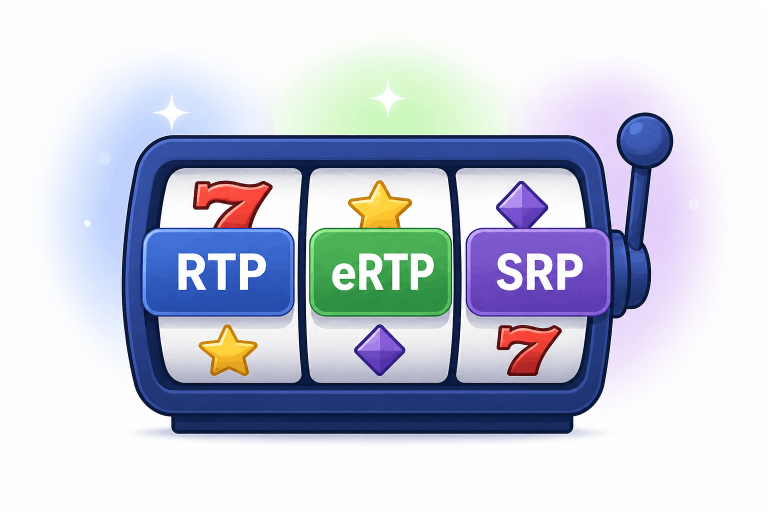
SRP → The long-term return is below average compared to other analyzed slots.
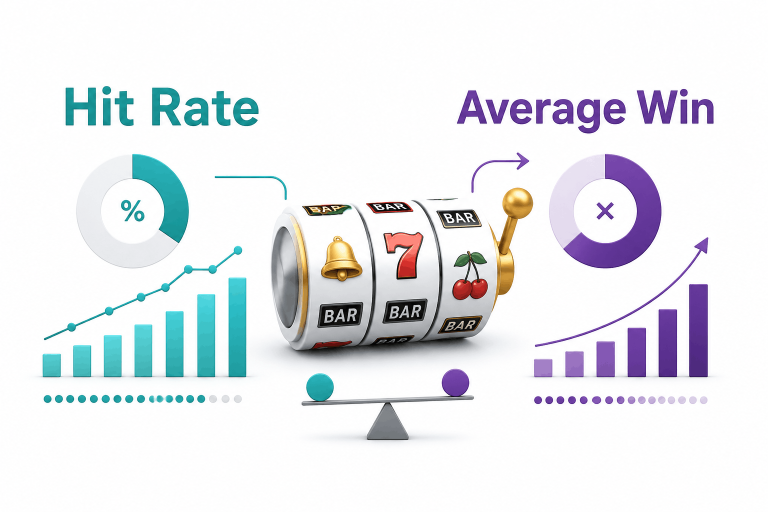
Hit Rate → The frequency of winning spins is below average.
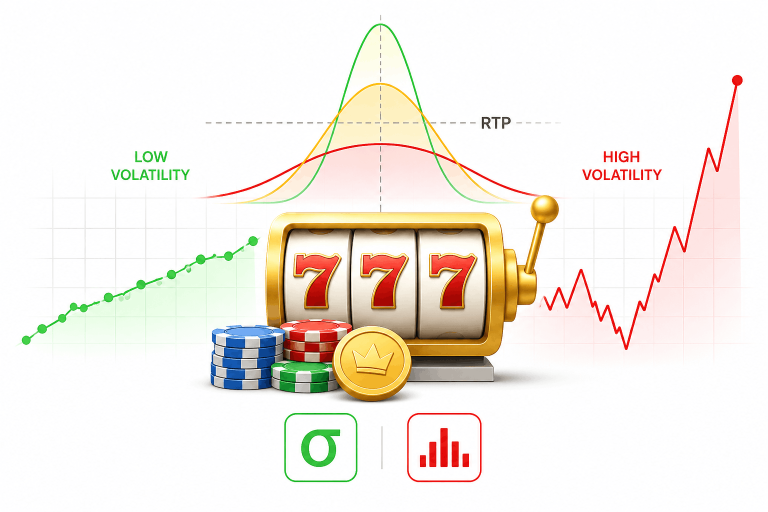
Median Volatility → The risk level is consistent with medium-volatility slots.
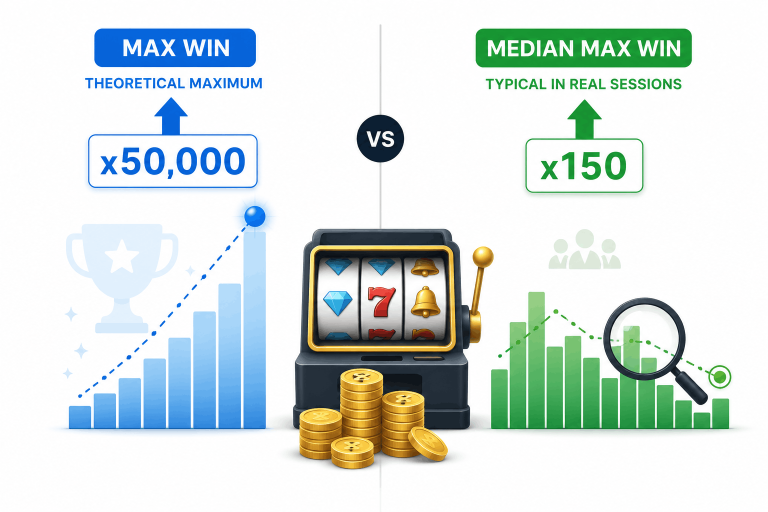
Median Max Win → The typical maximum win is below average.
Average Win → The average win size is in line with the average.
Multipliers Distribution → Most wins come from smaller multipliers, while larger multipliers occur significantly less often.