Zeus vs Typhon Slot Review
A battle of the gods is reborn in Zeus vs Typhon, where wins can start on either side of the reels, and random multipliers of 2x-20x multiply together when they land on both sides at once. Landing three or more bonus symbols unlocks a round of free spins with guaranteed multipliers on both sides of the grid, while the Ante Bet and Super Spin options let you tailor the game to your strategy. Explore win statistics, live RTP, and play the Zeus vs Typhon demo on this page.
Play Zeus Vs Typhon Demo
Slot Stats
Provider Data
SLOT STAT Data
Multipliers Distribution
AI Analysis Slot
Automatic interpretation of statistical metrics from the “SLOT STAT Data” section.
Slot Profile
| Metric | Value |
|---|---|
| Long-Term Return | In Line with the Average |
| Win Frequency | Below Average |
| Risk Level | In Line with the Average |
| Win Size | In Line with the Average |
| Large Multipliers | Rare |
Overall Summary
Based on the available statistics, Zeus vs Typhon matches the average statistical profile of the analyzed slots.
Its risk level and win size are in line with the average, while winning spins occur slightly less frequently than average. The multiplier distribution follows the typical pattern of modern video slots, with most payouts coming from smaller multipliers and larger payouts representing only a small portion of the overall distribution.
Overall, the statistics do not indicate a strong bias toward high volatility, very frequent wins, or large payouts.
This Slot May Suit You If You:
⚠️ Things to Consider
Metric Interpretation
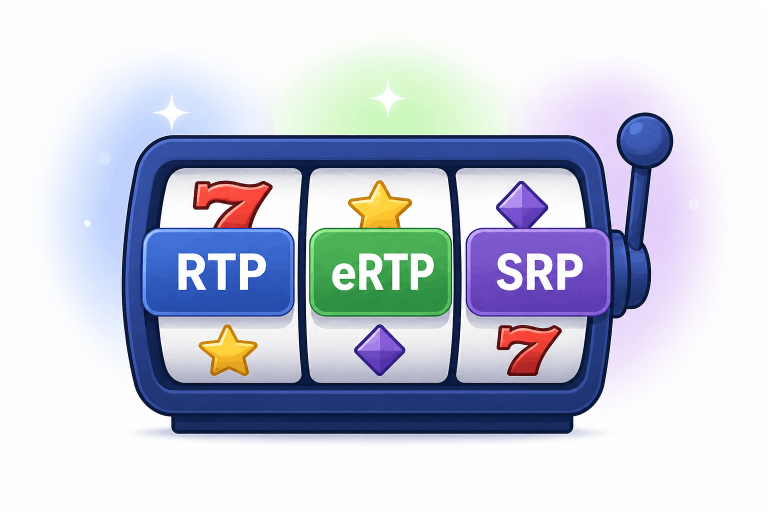
SRP → The long-term return is in line with the average compared to other analyzed slots.
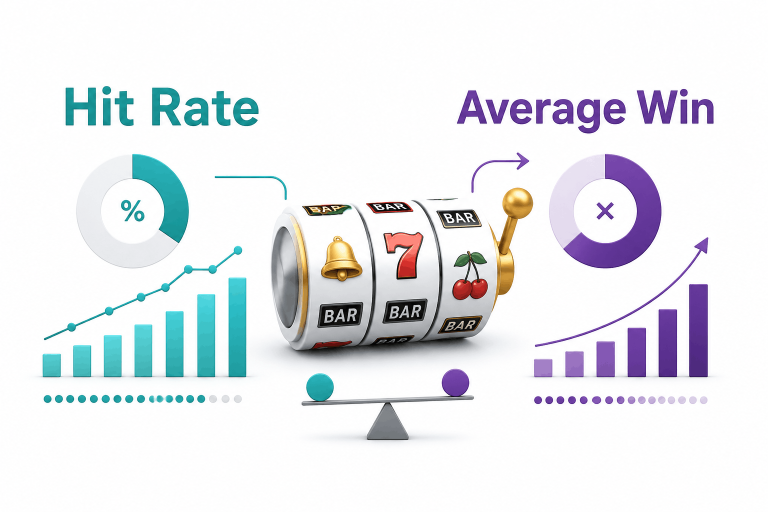
Hit Rate → The frequency of winning spins is below average.
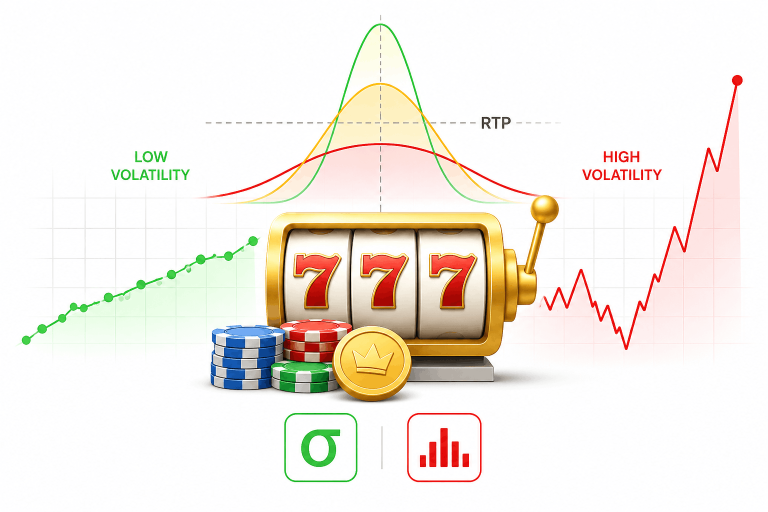
Median Volatility → The risk level is consistent with medium-volatility slots.
Median Max Win → The typical maximum win is in line with the average.
Average Win → The average win size is in line with the average.
Multipliers Distribution → Most wins come from smaller multipliers, while larger multipliers occur significantly less often.